
Guides
2025
Are you looking to cash out on your next storage unit purchase? Discover how to buy storage units with this guide — prepare yourself for a good bargain!

Written by: Jack Colemanzo
Data validated by: Storeganise team
Published: 2026-01-05
Updated: 2026-8-23
Last updated: August 2026
Are you looking for affordable storage units but don't know where to start?
Storage auctions can be a great place to start. As a buyer, you might find it challenging to pinpoint the perfect storage unit to meet your needs, especially if you don't know the ins and outs of self-storage. Not to worry; we're here to guide you through the process!
Read on to learn how to buy storage units, whether that's a single lot at auction in the US or an entire operating facility. We've also included tips on what to look out for. Other sections of this guide focus on how Storeganise's software can help with self storage marketing, particularly for owners looking to sell their units, so be sure to read to the end.
Learn The Exact Steps on How To Set Up Your Self Storage Facility In This 5 Minute Read
Key Lessons from Industry Experts
The Psychology of Self-Storage Pricing
How to diversify your revenue streams
Steps to set you up for success
A storage auction, also known as a storage unit auction, refers to the public sale of contents of abandoned storage units. When tenants fail to pay the rent for storage units or abandon them due to any reason, storage facilities sell the entire contents of the storage units through auction.
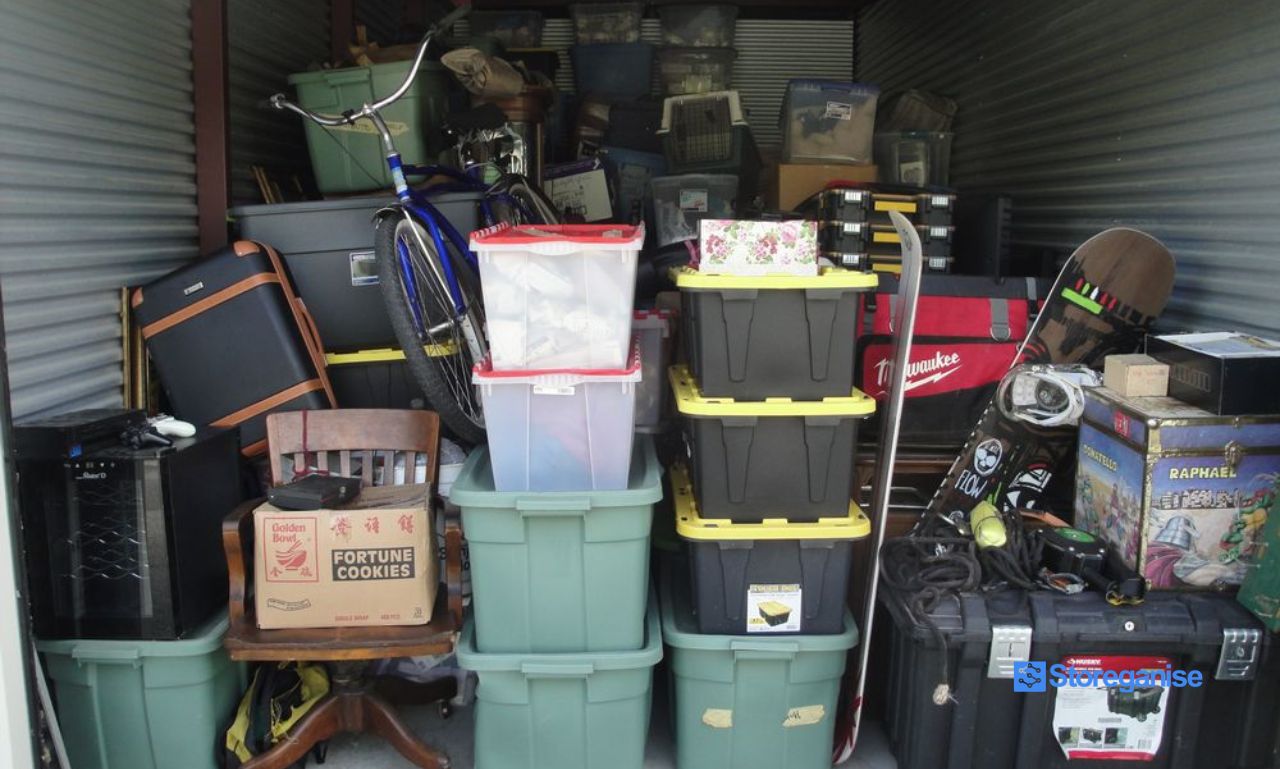
At a storage auction, potential buyers bid on the available units, and the highest bidder wins the bid and gets the storage unit. This way, the storage facility recoups its losses resulting from unpaid rent dues and clears the space for other customers.
One clarification before anything else: at a storage auction, you're buying the contents of an abandoned unit, not the unit itself or any real estate. (Buying an actual facility is a completely different transaction; see "Buying an Entire Storage Facility" below.)
Auctions happen because a tenant stopped paying rent and the facility invoked its lien rights under that state's self-storage lien law. These laws vary by state, so the specific notice period and process differ depending on where the facility is located. Most auctions today run through dedicated online platforms rather than in-person events, though both formats still exist.
A few mechanics hold across most states and platforms:
A smaller share of units change hands outside of auctions entirely, through private sales direct from an owner, or occasionally through government or law-enforcement property auctions, but auction platforms are where most buyers start.
This isn't legal advice, and lien procedures vary by state. Check your state's specific self-storage lien statute or the platform's own rules page before bidding.
Common first-timer mistakes: overbidding based on what's visible near the door, skipping research on resale value before bidding, and underestimating cleanout and hauling costs when setting a max bid.
| Factor | Leans Toward Renting | Leans Toward Buying |
|---|---|---|
| Use | Short-term or uncertain need | Long-term, predictable need |
| Budget | Lower upfront cost | Capital available for upfront purchase |
| Location | Need flexibility to move | Committed to one area long-term |
| Resale | Not a consideration | Plan to flip or resell contents |
| Insurance | Facility or renter's policy covers it | You take on the insurance directly |
| Tax | No tax implications | Purchase may carry tax treatment implications, talk to an accountant |
| Exit | Simply stop renting | Reselling or liquidating takes time and effort |
This is a different transaction altogether from buying auctioned contents: you're buying real estate and an operating business. Before you go further than a first look, benchmark the site against:
Source: Self Storage Association (SSA) acquisition guidance, Marcus & Millichap Self-Storage Investment Outlook, as of 2026. Once a site clears these benchmarks, run it through the full 7-point due-diligence checklist before making an offer.
Once the facility is yours, revenue management software is where the real upside lives: dynamic rate adjustments by unit size, occupancy, and demand are what move an acquired facility from the low end of the 40-60% NOI margin range to the high end, without changing anything physical about the site.
Abandoned storage units are exciting to buy. These are units where the previous tenants have breached the existing contracts, and thus, the storage facility manager is willing to auction them with the contents to recoup their loss. Buying this type of unit is alluring because of the potential to find hidden gems that the previous owners might have left behind.

That said, here are three key ways to locate abandoned storage units for sale:
Firstly, you can look into storage auctions whereby the contents of unpaid storage units are auctioned off to the highest bidder. Auctions will often be advertised in local or national newspapers, by professional auctioneers, and online via social media. Remember to research your chosen auction beforehand, as they may have different rules and regulations on what can be bought and sold.

If you research correctly, you may find deals from storage facility owners who want to sell abandoned storage units. You should look for reputable sellers who'll offer the goods at reasonable prices and accurately describe what's being sold.
Strive to get as much information about the storage unit as possible from the seller: this way, you can safeguard yourself from potential scams or misleading offers.
Finally, you can check the online markets dedicated to buying and selling abandoned storage units. These offer an excellent way for customers to buy from the comfort of their own homes, comparing prices across sellers in different locations. In the US, the largest platforms include StorageTreasures, Lockerfox, and StorageAuctions.com. Global platforms like eBay also carry occasional lots.
However, be sure to read reviews carefully before investing in any online marketplaces so that you know exactly what you're getting yourself into.
Most abandoned storage units are sold through auctions, so you're better off attending one. When you buy old storage units at auction, you can snag yourself a great deal if you know what you're getting into.
Attending your first storage unit auction can be pretty intimidating, but with some research and preparation, you can be a confident buyer.
Here are three top considerations to look into before attending:
Auction rules vary by jurisdiction, and even local laws can dictate what you're allowed to buy. In the US, each state has its own self-storage lien statute that governs the sale of abandoned units, notice periods, and buyer rights. The specifics differ meaningfully from state to state, so before participating in storage unit auctions, familiarise yourself with the lien statute in the state where the facility is located, and check any local ordinances that may apply on top of that.
Although storage auctions are available in online and offline formats, the actual contents of the unit (and auction process) vary depending on the auction type. Either online or offline, make sure you familiarise yourself with any additional rules or procedures beforehand.
You should always check the auction house or platform website for detailed rules to adequately prepare yourself for the event.
Storage facility owners must provide detailed descriptions of their units for sale so that potential buyers know what they're purchasing: read through them carefully since there could be more than meets the eye. You want to ensure no hidden surprises when the time comes to open up the unit.
If you decide to not just buy abandoned storage units, but proper storage units for personal use or lease purposes, here are three top criteria to look out for:
The location of a storage unit is essential for convenience and security: you want to ensure the unit is located somewhere you can access quickly (for example, near your home or office). You also want to ensure it's located in a safe area with reasonable security measures, such as video surveillance and secure access points.

On the contrary, you certainly don't want a storage unit that can't hold valuable properties from the fear of losing them, especially when you consider how often self storage units get broken into.
When looking at storage units, you must consider how much space you'll need. That means looking at not just square footage but also height: some units may have limited headroom, which may not be suitable for storing tall items such as artwork or mirrors. Ensure you get accurate measurements before committing to a unit.
Of course, you'll also need to consider the budget when evaluating storage units. Make sure that the price fits your budget, and remember that different facilities may offer different prices for similar units, so be sure to compare prices thoroughly before committing.
If you've read up to this point, you're certainly armed with everything necessary to buy storage units at a great bargain.
However, to clinch the best of deals, adhere to the following tips:
Research in advance to understand the going rate for storage units and similar offerings in your area. Also, ensure you understand the governing laws at any auction you plan to attend, particularly the self-storage lien statute in the state where the facility is located. With that knowledge, you can come into negotiations confidently, knowing when you're getting a good deal.
When negotiating to buy unclaimed storage units, it pays to be polite, but firm assertiveness will often bring better results than being overly nice. Don't shy away from bargaining hard; the first price is always just the starting point, and you should always be prepared to walk away if necessary.
In some instances, storage facility owners will have abandoned units up for sale, which can be a great way of getting an even better price. However, ensure you get full disclosure on any issues with these units before purchasing them: you don't want any surprises once you move in.
Auction excitement is real, and it costs people money every single day. Always set a firm maximum bid for each unit before the auction opens. Once you hit that number, stop. A unit that costs more than it can return is not a deal, it is a loss.
When you bid, it matters just as much as how much you bid. Placing your bid too early signals a strong interest and drives up competition immediately.
Instead, wait until the final moments to place your maximum bid. That single tactic consistently keeps prices lower and catches competing bidders off guard.
You may also have heard stories of people making money from flipping abandoned storage units. This can be a legitimate business model in most US markets, though the specific rules vary by state.
Here are two tips to help ensure you get a good bargain.
We also included a bonus tip, so be sure to read to the end.
Before flipping abandoned storage units, it's important to check the regulations in your area. Different states and municipalities have different rules on purchasing and selling abandoned storage units legally, and how to market them.

Ensure you're familiar with the concerned laws in your area before you flip any abandoned storage units to ensure that your business is entirely above board and compliant with any regulations.
Storage unit laws are never something to overlook.
Once you know the legal requirements for flipping storage units in your area, it's time to start looking at pricing for your units. It's crucial to set competitive prices with similar products on the market while still providing a reasonable return on your investment: this will help you stay competitive and ensure that people keep buying from you.
It's common to have several storage facilities in different locations. With time, they can be complicated to manage. Investing in a comprehensive self storage software like Storeganise will help make managing your self storage business easy and hassle-free.
Storeganise provides an efficient system for managing inventory, creating invoices, tracking payments, and more: all from one dashboard. This will ensure that you maximise profits when selling abandoned storage units and streamline your process for future sales.
The decision to buy storage units is a huge one that comes with several considerations, including location, size, security, and cost. Before engaging in any storage unit sale or auction, ensure you know the regulations for the area you're buying in, including the state's self-storage lien statute and the storage facility's rules.
For storage facility owners looking to sell abandoned storage units, it's important to consider the value of the unit, the demand for the type of unit, and the legality of the sale. In addition, Storeganise's comprehensive software helps make the process easier, allowing facility owners to quickly and easily manage their inventory and pricing. You can try Storeganise by signing up today.
Ultimately, whether you're buying or selling, it pays to do your research. With the right information and system, you can make buying a storage unit stress-free and rewarding.
Yes, you can buy abandoned storage units in the UK. Many online and in-person auctions offer abandoned storage units for sale. However, ensure you do your due research before buying one.
Yes, storage unit auctions do take place in the UK. Online storage auctions are the most common type of auction in the UK. Unlike popular TV shows in the US, it’s not as common to visit the storage lot in person and walk around various units.
The most common minimum size for a storage unit is typically 5’x5’, about twenty-five square feet. This size is often suitable for storing a small number of items, such as boxes, small furniture, or seasonal items. It’s important to note that storage facilities may offer smaller sizes or even lockers for storing a minimal number of items.
It isn’t legal to live in a storage unit in the UK. As one of the several storage unit laws, living in a storage unit in the UK is generally prohibited. While financial difficulties may lead some individuals to consider this option, converting a storage unit into a permanent residence is against the law.
The most popular storage unit size is the 10’x10’ unit. It’s preferred due to its versatility and medium-sized space, approximately one hundred square feet or about half the size of a standard garage. It can comfortably accommodate the contents of a two-bedroom apartment, including boxes and totes.
Payment is required immediately after winning. Most facilities accept cash or card on the spot. For online auctions, payment is typically processed through the platform within 24 hours of the auction closing.
Most facilities give you 24 to 48 hours to fully clear the unit after payment. Some allow up to 72 hours. Always confirm the cleanout deadline before bidding, and missing it can cost you your deposit.
Yes. If the original tenant pays their outstanding rent before you collect, the facility has the legal right to cancel the sale. You will receive a full refund, but the unit will go back to the tenant.
If you buy and resell storage unit contents regularly for profit, HMRC considers this a trading activity. That means your profits may be subject to income tax. Occasional buyers are generally not affected.
You can view the unit from the doorway only you cannot enter or touch anything inside. That brief look is all you get, so train your eye to spot valuable items quickly from a distance.
Yes, but that's a completely separate transaction from buying auctioned unit contents: you're buying real estate and an operating business, not an abandoned lot. Before making an offer, benchmark the site's trade radius, population, traffic count, and median income against typical operating norms. See the Buying an Entire Storage Facility section above for the full benchmarks, and our investing guide for the 7-point due-diligence checklist.
It depends on how long you'll need the space, how much capital you have available, and whether you plan to resell contents down the line. Short-term, uncertain needs lean toward renting; long-term, predictable use with capital on hand leans toward buying, especially if resale or flipping is part of your plan. See the Rent vs Buy: 7 Decision Factors table above for how use, budget, location, resale, insurance, tax, and exit break down side by side.

Jack Colemanzo is the Head of Sales at Storeganise, based in Barcelona. With a strong background in the technology industry, spanning software development, sales management, and team leadership, Jack is a catalyst for growth and a builder of positive team culture.
View bio